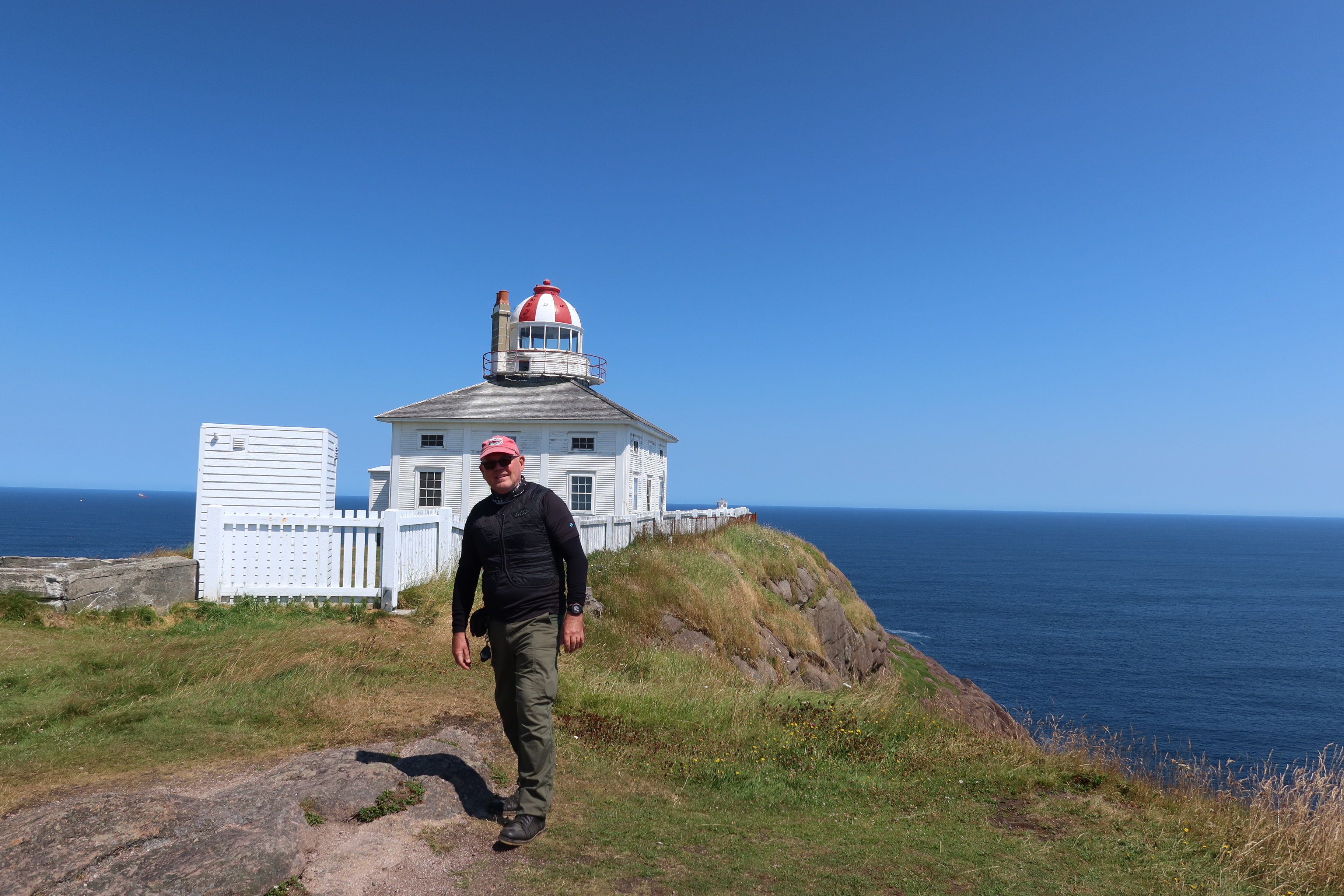
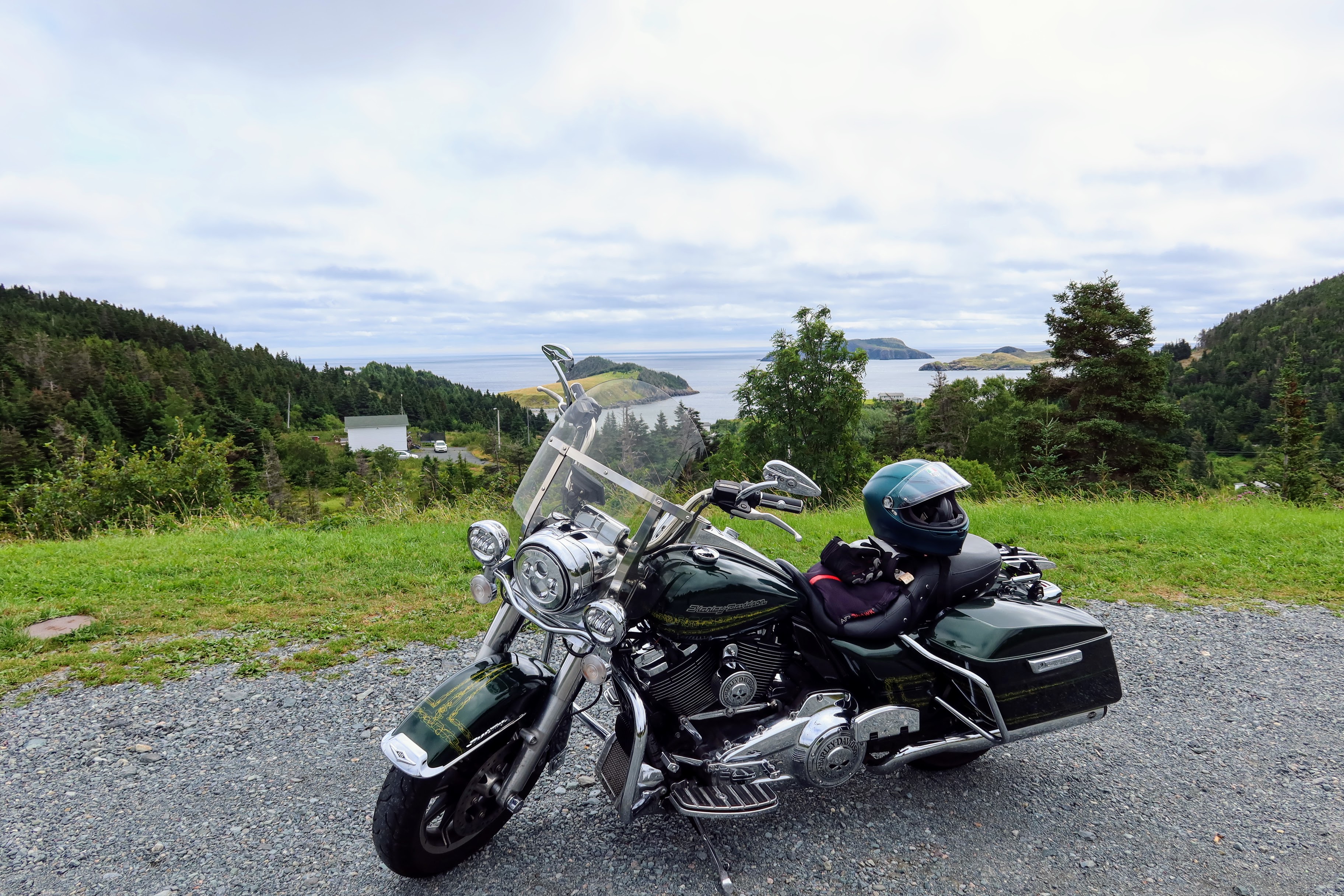
It’s summer, which means another opportunity to knock off an epic road trip on the Harley. As a follow-up from last summer’s two-wheeled hiatus to the great American northwest, it seemed only fitting to push the envelope a little farther this year and head for North America’s easternmost point, Cape Spear and Atlantic Canada. Hell, if I made it, I’d be closer to Ireland than to my home in Florida and that’s just something you don’t pass up.
Traveling to Atlantic Canada (the Provinces of New Brunswick, Prince Edward Island, Nova Scotia, and Newfoundland / Labrador, some say eastern Quebec) on a motorcycle has its incredible upside, but it also requires a bit more planning than two-wheeling the continental USA. The three considerations I’d offer are;
Weather: It’s cold up there even in July / August. I’m sure you could see snow on the roads in late May and early October. Storms and weather fronts, lasting for days, come off the North Atlantic year-round. The severe winters affect road quality (frost heaves /potholes) and gravel is a riding fact of life up there. Invest in the right equipment including jackets, camping gear, tires, etc. Consider a full-face helmet. Newfoundland can play hardball when it wants to, weather forecasts are only suggestions, and you don’t want to find yourself on the wrong end of things in a remote middle of nowhere. That said, when a high-pressure system settles in while you’re riding those coastal inlets and it’s nothing but clear, crisp blue skies and white surf, well.
Remote: While this applies more to New Brunswick, Newfoundland, and Labrador, there is just not a lot in the way of services outside populated coastal areas. Of course, it’s why you’re headed there, but you need to plan around it. Traveling the 550-plus miles across the Trans Canadian Highway in Newfoundland means scheduled fuel. Remote Gas stations with bankers’ hours, usually combined with only a Tim Hortons and a Marijuana Dispensary can be up to 50-100 miles apart with nothing in between other than eagles, moose, lakes, and mountain peaks. Make sure your equipment is tight, and you have some emergency provisions and a tourniquet with you. I heard of and even saw one example of breakdown horror stories while there (everything from thousands of dollar bike tows to riders succumbing to hypothermia).
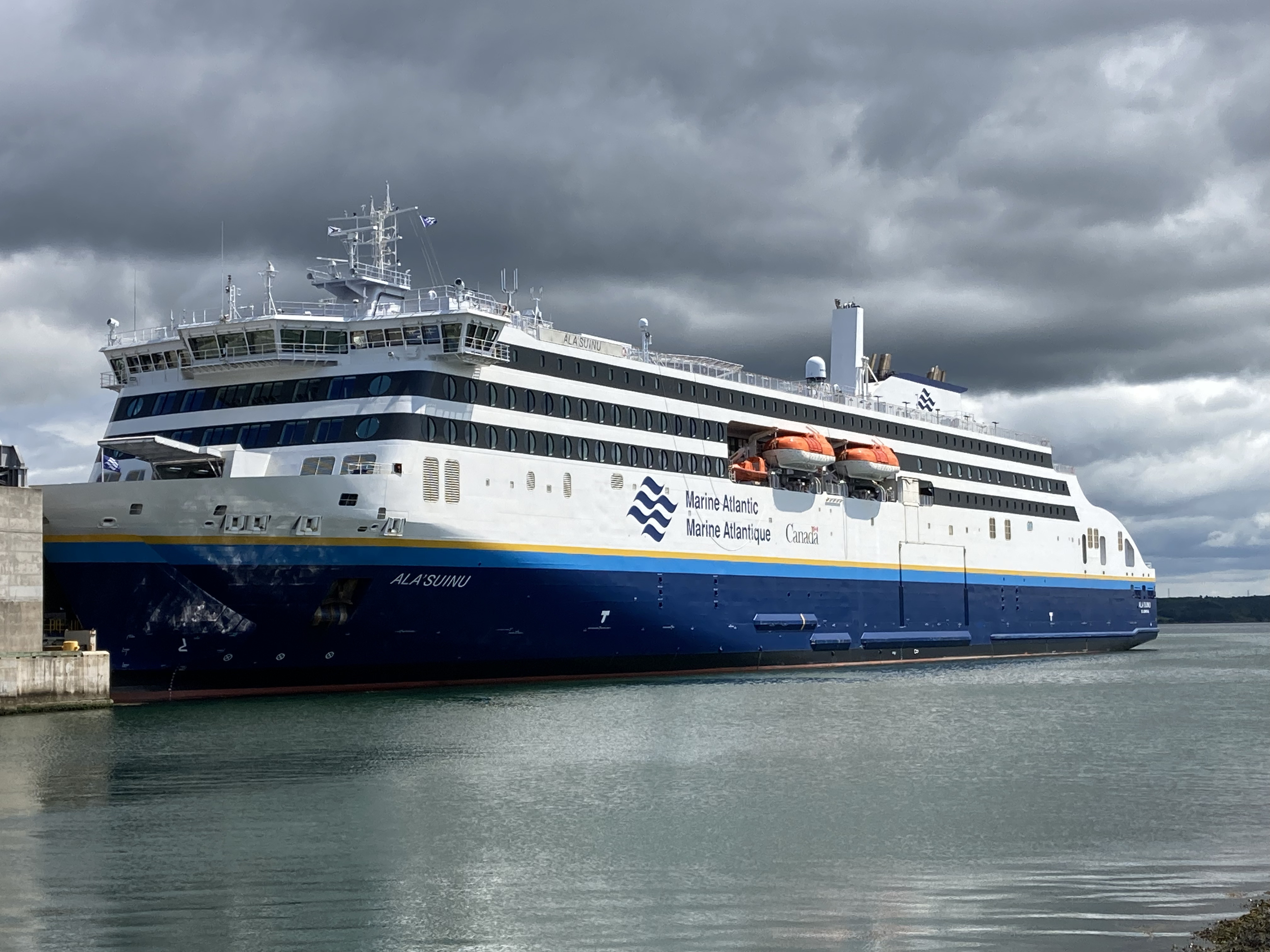
Crowds: With the short visitation window due to the weather, stunning landscapes, and maritime history, you’re not going to be the only one visiting Atlantic Canada in July / August. In St. Johns, Halifax, and Charlottetown there is just as much demand as supply concerning hotels and restaurants. You need to have a reservation for the ferry between Sydney and Newfoundland if you have a vehicle (which you must). While there’s a lot less stress on services outside the major tourist destinations, it still requires a bit of planning. Always be ready to camp just in case.
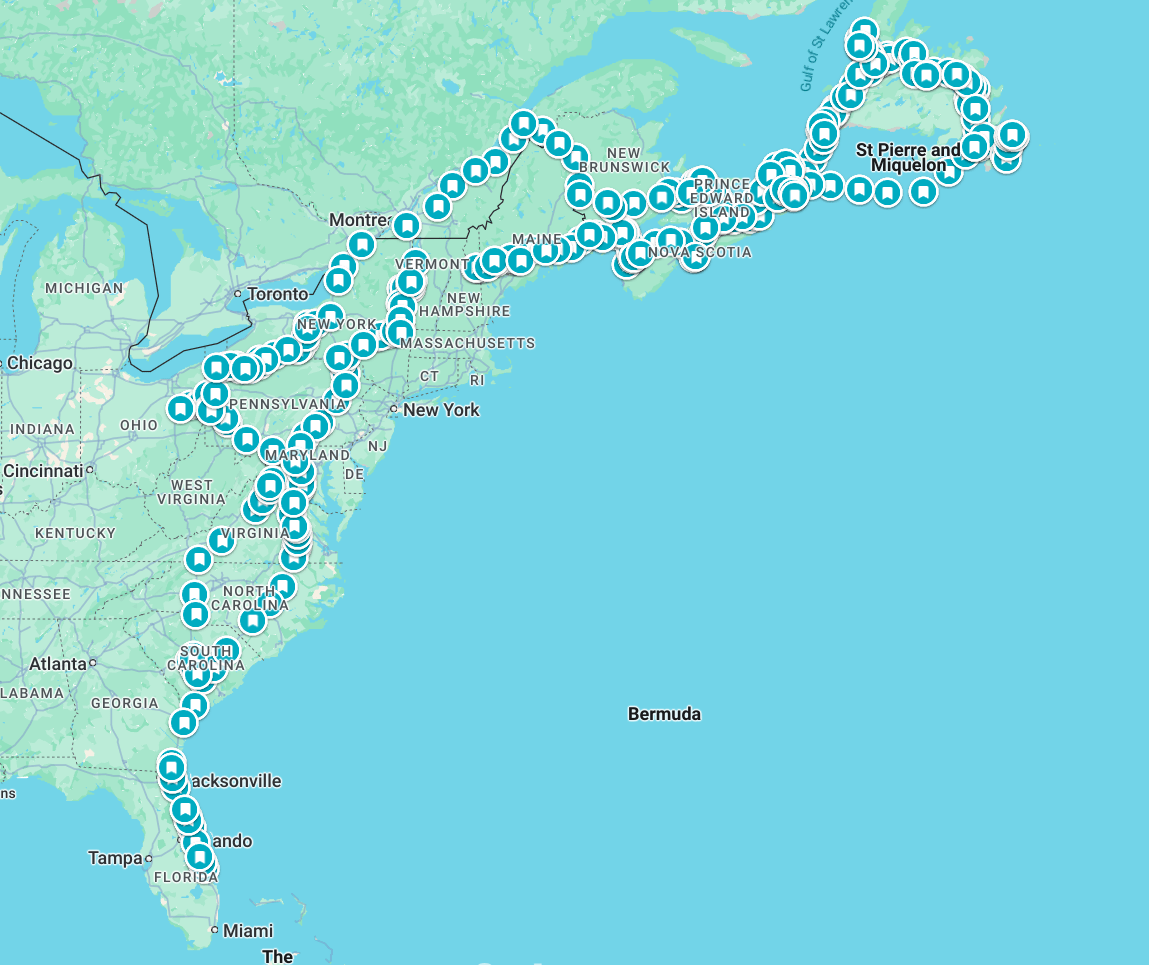
My 5 BEST Motorcycle Rides in Atlantic Canada
#1 – St Johns to Cape Spear, Newfoundland
The ride is only 20 kilometers along Rt.11 East, but it’s the novelty of finally arriving at North America’s easternmost land point. The coastline is spectacular and the Cape Spear Lighthouse National Historic Site is great. Time to turn around!
#2 – Cabot Trail, Cape Bretton, Nova Scotia
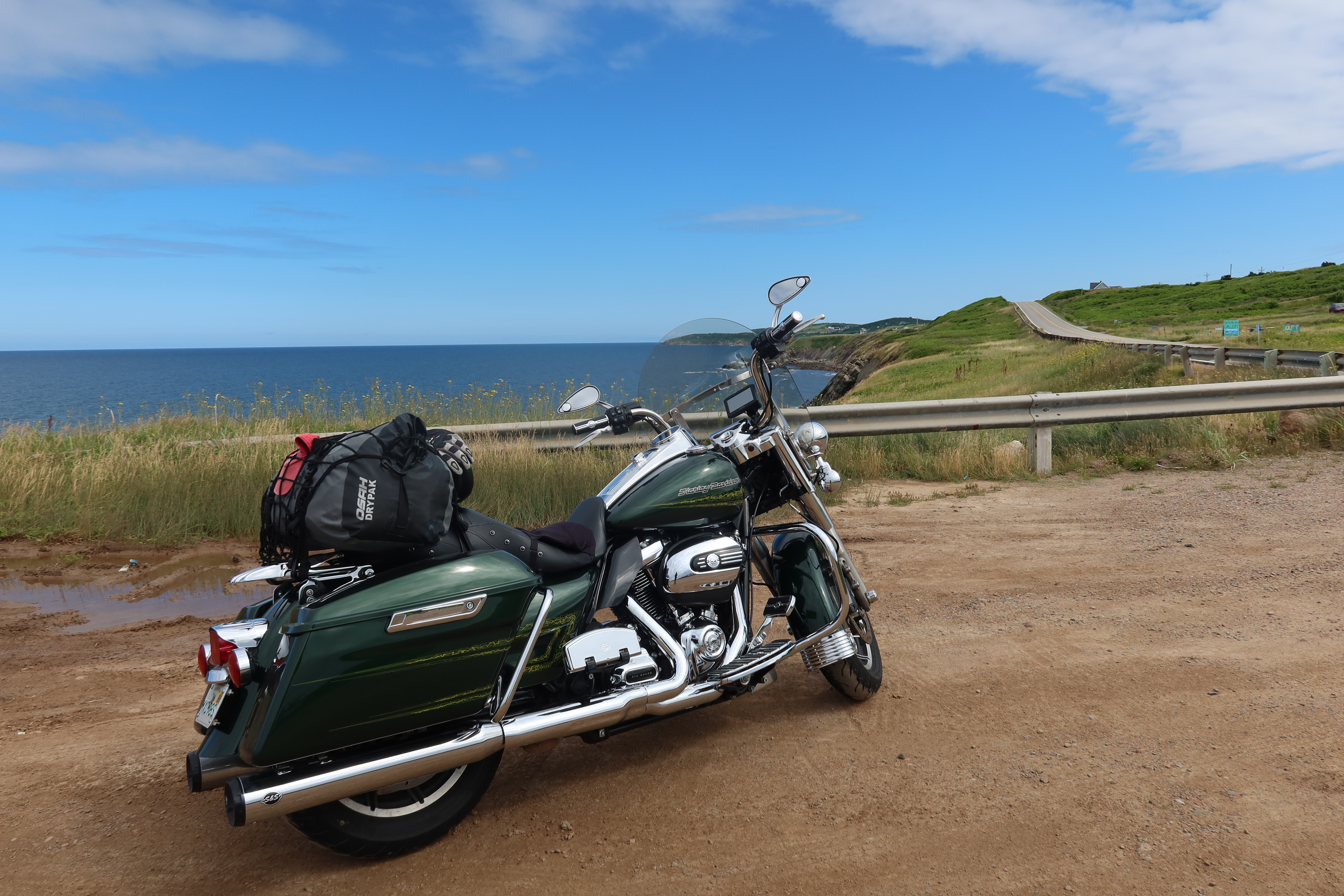
So this is arguably the number one ride in all of eastern Canada. The true beauty of the Cabot Trail (RT 30) is spectacular elevated coastal vistas, incredible road engineering, and all within the Bretton National Park ambiance and protections. Big sweeping curves eaten up at healthy speeds with continuous rapid elevation changes keep you running up and down the gearbox. On a clear, sunny day there are few better rides in all of North America. Easily completed in a few hours, take the time to stop often for the view turnouts and historical towns of Cape Bretton.
#3 – Charlottetown to Cavendish, Prince Edwards Island (PEI)
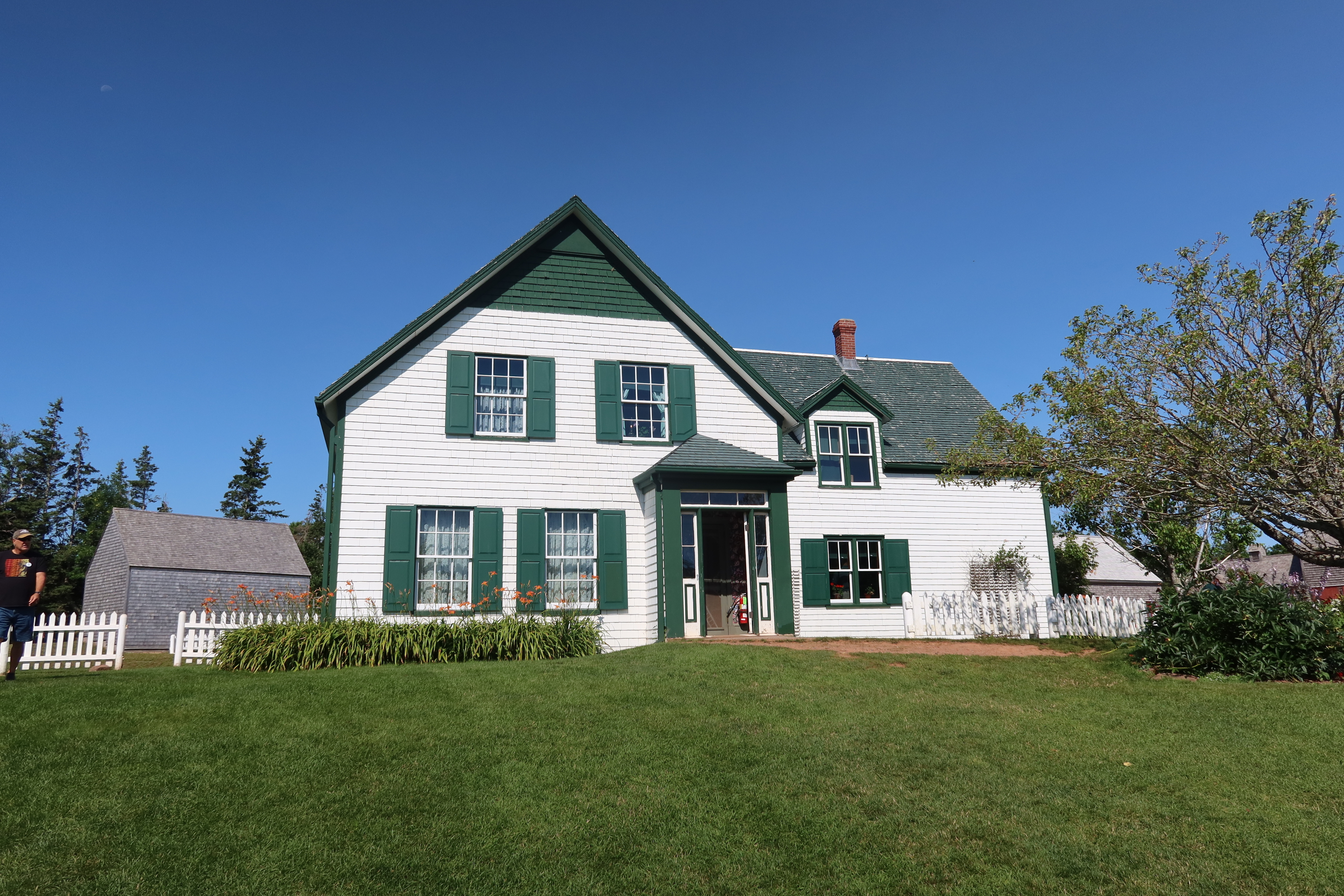
Famous for potato farms and Anne of Green Gables, there are no bad routes on PEI. The northern shore (RT 16 loop) with its red clay cliffs, 19th-century architecture, and fresh ocean air vistas is memorable. Take the Confederation Bride over to the island (Canada’s longest) and leave on the ferry. No real technical riding to mention, PEI is just a nice place to be on your bike.
#4 – Irish Loop, Newfoundland
RT 10 loops around the far southeastern peninsula of the island. Inlet after inlet, back and forth, up and down kind of thing on a good quality road. Winds from the eastern open Atlantic will hammer your faring and expect spotted ocean rains at times mixes with the sunshine. This route, with its minimal traffic, will test your riding skills. Lots of Canada’s early history, with its Irish settlement, took place in the region and not much appears to have changed. The heavy Gaelic accents are still there, as well as the hospitality.
#5 – TransCanada HWY, RT 1 St Johns to Channel-Port aux Basque
The 565 miles of the Trans Canada between the island’s two ferry ports is some of the most scenic and remote on the continent. Considering the Trans Canada didn’t open until 1971, the interior remained largely inaccessible throughout Newfoundland’s history and still has that quality today. The road is modern, usually 2 large lanes with paved shoulders and occasional passing lanes. Newfoundland is referred to by the locals as the “Rock”, thus its granite mountains, thousands of lakes, expansive forests, and abundant wildlife make the 2–3-day trip memorable. Plan your fuel and sleep stops, and make sure your ride is 100% before heading out. Can you ride the entire Trans Canada in a day? I’d say “why “as there is too much to see, weather considerations, animal hazards (moose after dark), and always road construction delays. You also need to time your arrival with the departure of the ferry or you will wait.
Honorable Mention Routes :
- Trans Canada RT 2, Grand Falls to Fredericton, New Brunswick. This is just high-quality interstate riding as you traverse the eastern Appalachians (as impressive as Tennessee). Huge turns, 20-plus mile vistas, serious mountain ranges, and lakes galore, all ridden at giddy-up speeds. Makes you feel small at times. Nothing out there but you and the occasional truck.
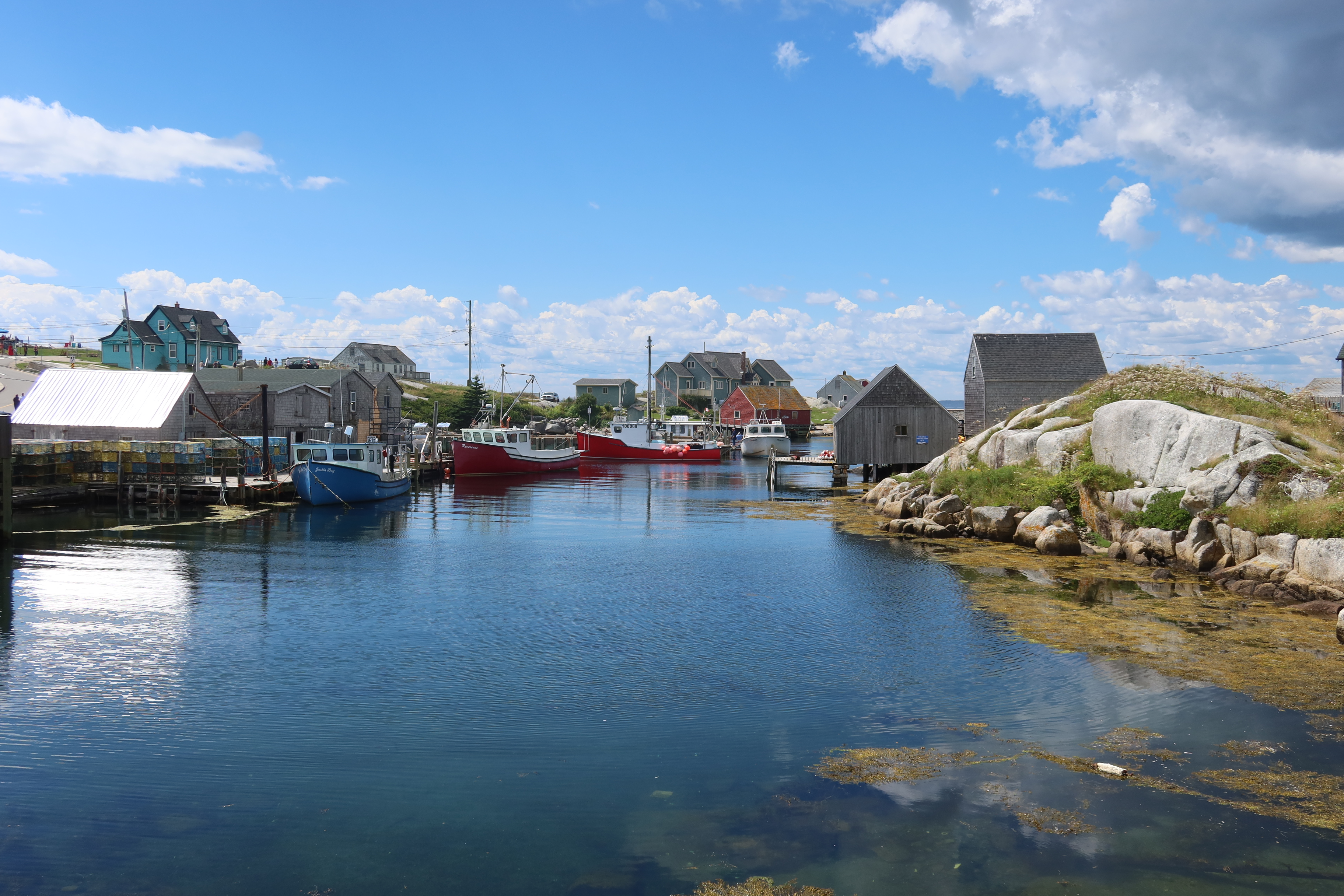
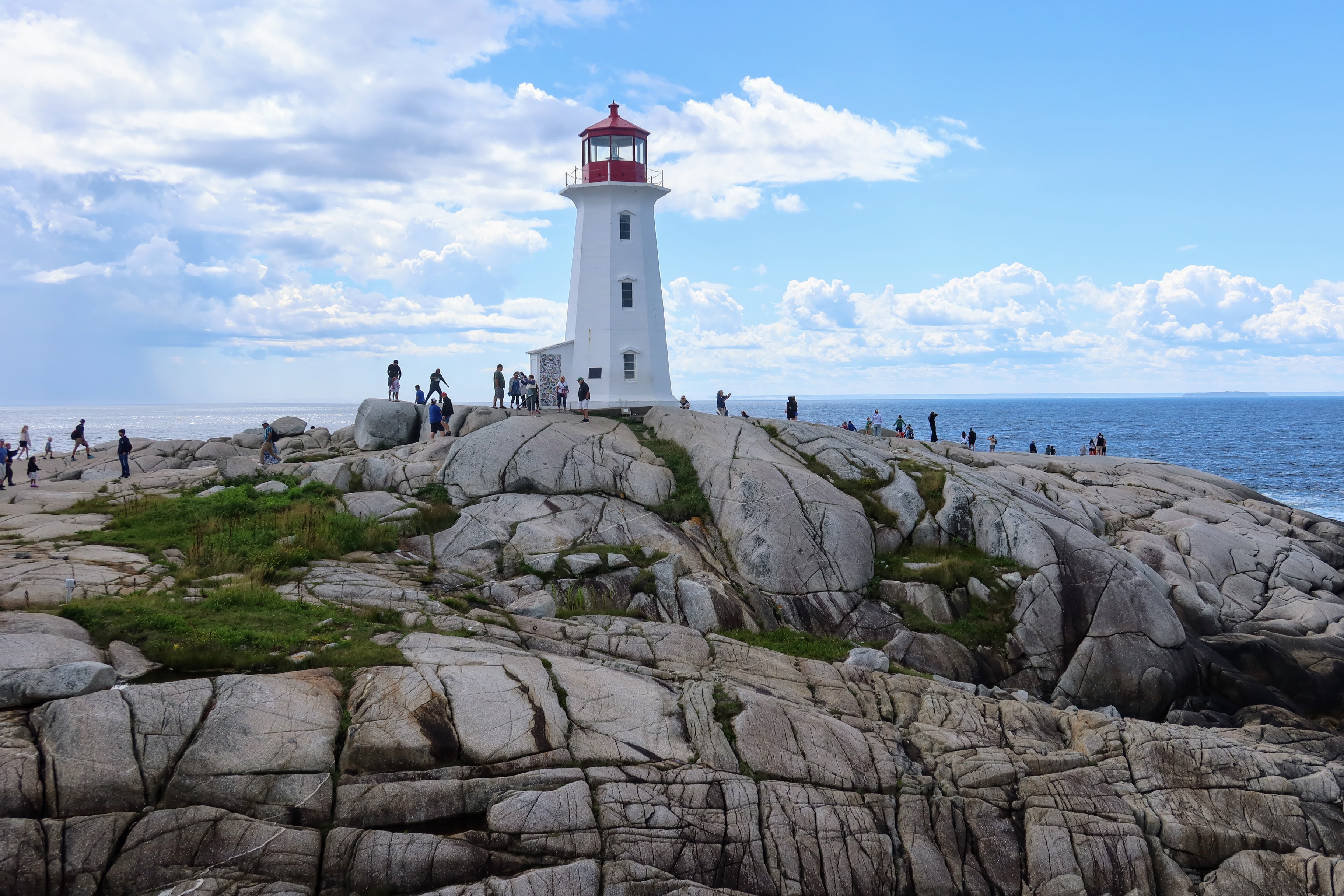
- Halifax to Peggy’s Cove and Lunenburg, Nova Scotia. Scenic coastal route for sure but ground zero for summer tourists during the short summer season and thus you’ll never get out of 4th gear.
Best Cities in Atlantic Canada :
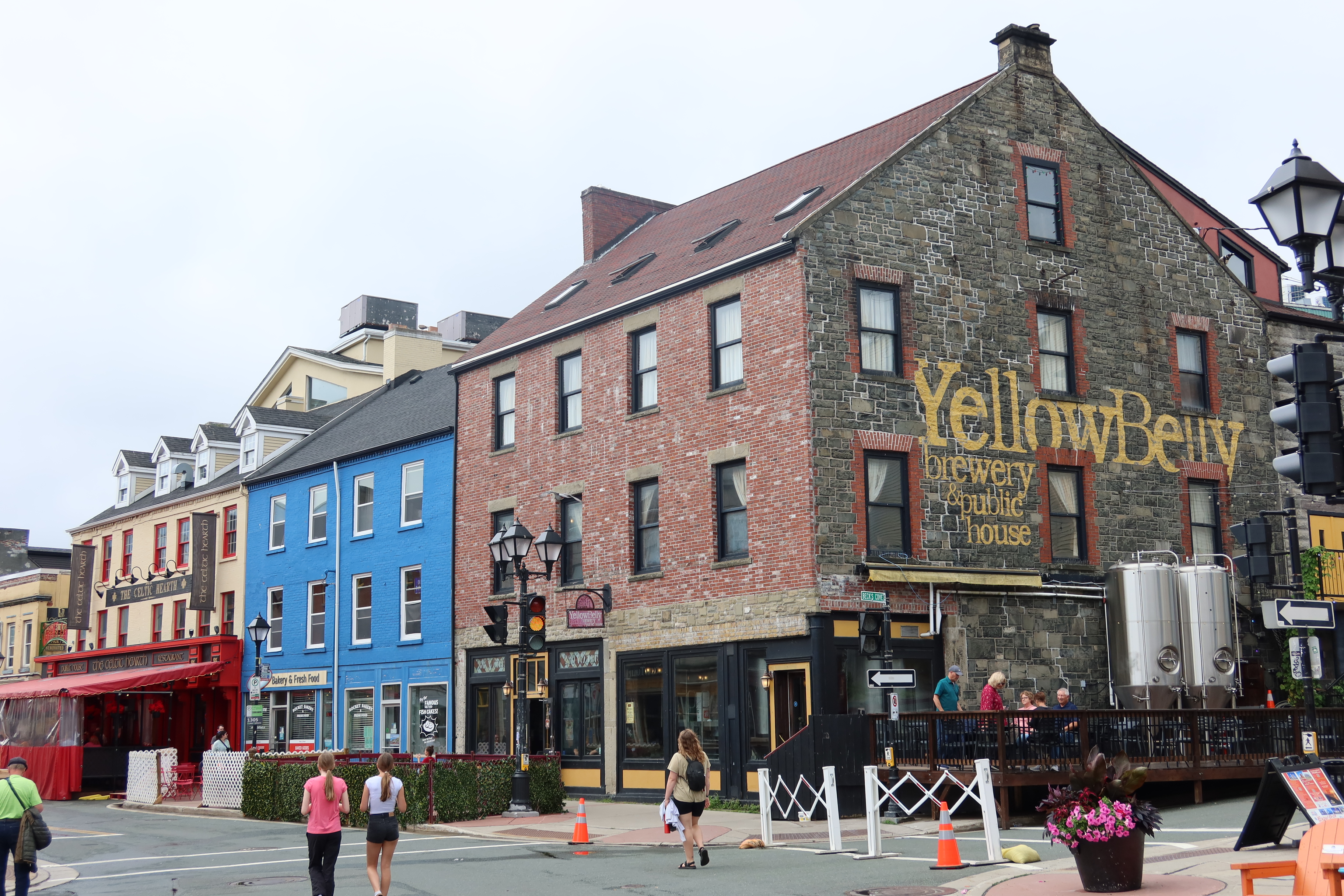
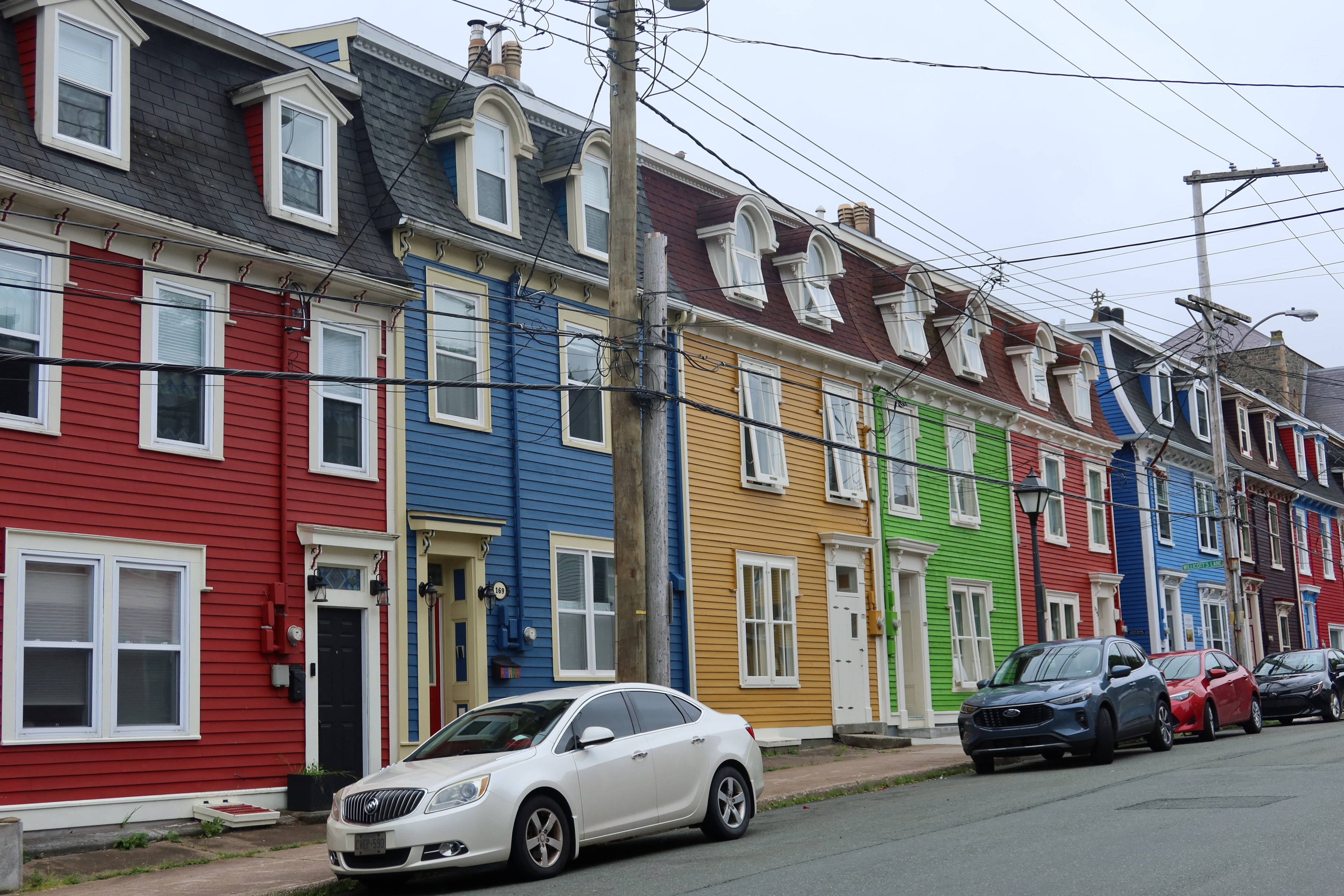
- St Johns, Newfoundland. Historic downtown is a fantastic place to stay and get off the bike for a week. Wall-to-wall bars (got that college feel) and restaurants, costs for all types of budgets. Lots of events and festivals as they try to cram in a lot during the short summers. Tim Horton Donuts on every corner.
- Charlottetown, Prince Edwards Island. Another historical and accessible downtown. Lots of interesting bars and restaurants that never get too crowded. Scallops, cod, and clams until you can’t eat anymore, beer and more beer, all at a good price.
National Parks :
- Gros Morne, Newfoundland. Close to where the Vikings colonized the region, this park highlights rugged ocean cliffs and inland Fjords. Too remote to be overcrowded, has fantastic coastal riding to the park entrance, and features some of the best and most scenic campsites I’ve stayed in.
- Cape Bretton Highlands National Park, Nova Scotia. I camped at Broad Cove Beach for two nights. Just off the Cabot Trail, the Toronto crowds were there in force as it’s easy to access. The folks at the Canadian National Parks do an outstanding job, very professional and genuinely interested in making sure you have a great visit.
Costs :
I met a lot of Atlantic Canadians on my trip. People are very friendly and have no problem responding to questions or striking up a conversation. The region is very English, conservative and folks harbor little animosity toward visitors. One subject many would ask was about the strength of the US Dollar and how cheap my Canadian visit must be. Holy shit, cheap it is not. Fuel up there worked out to be about $8 a gallon, food and lodging were generally 20%-40% more than the States. Sure, it was the summer high season, but it ain’t cheap to live in Canada, even with Dollars. The best value was Canada’s National Parks for sure. The entrance costs $10 and maybe $12 bucks to camp at night. Compare that to Yellowstone, if you can even get in of course.
 What Next?
Leave a comment