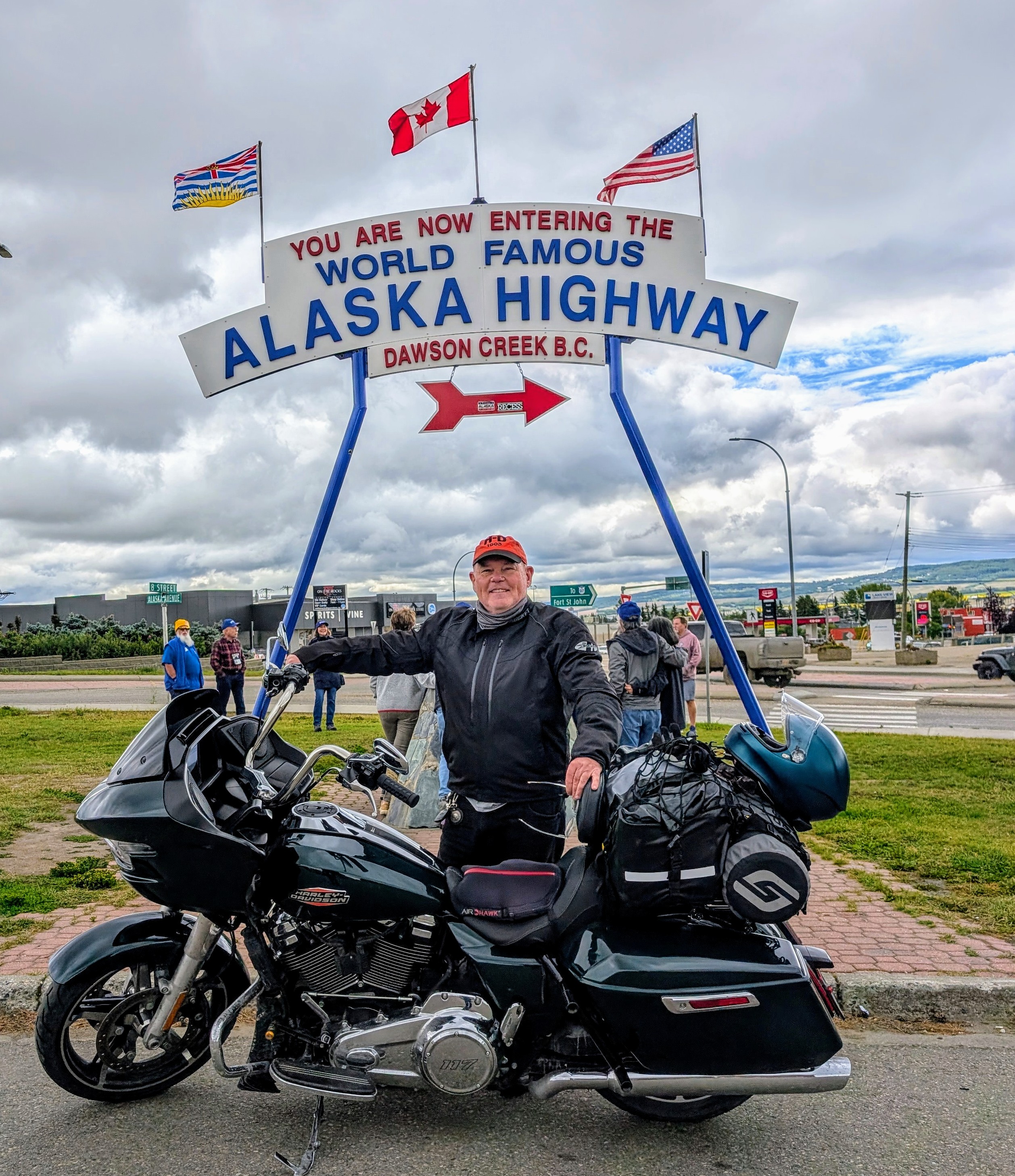
I’m 64, retired, and an experienced rider who has plenty of time to think up those Bucket List rides. So, what could be bigger than a Florida-to-Alaska excursion, solo, with the time and money needed to do anything I want? My final numbers were 66 days, 9,720 miles for $10, 629. I departed on July 3 and pulled back into my garage in Florida on September 6. Ride of a lifetime for sure, northern Canada and Alaska are special, but a few lessons and suggestions for future riders below.
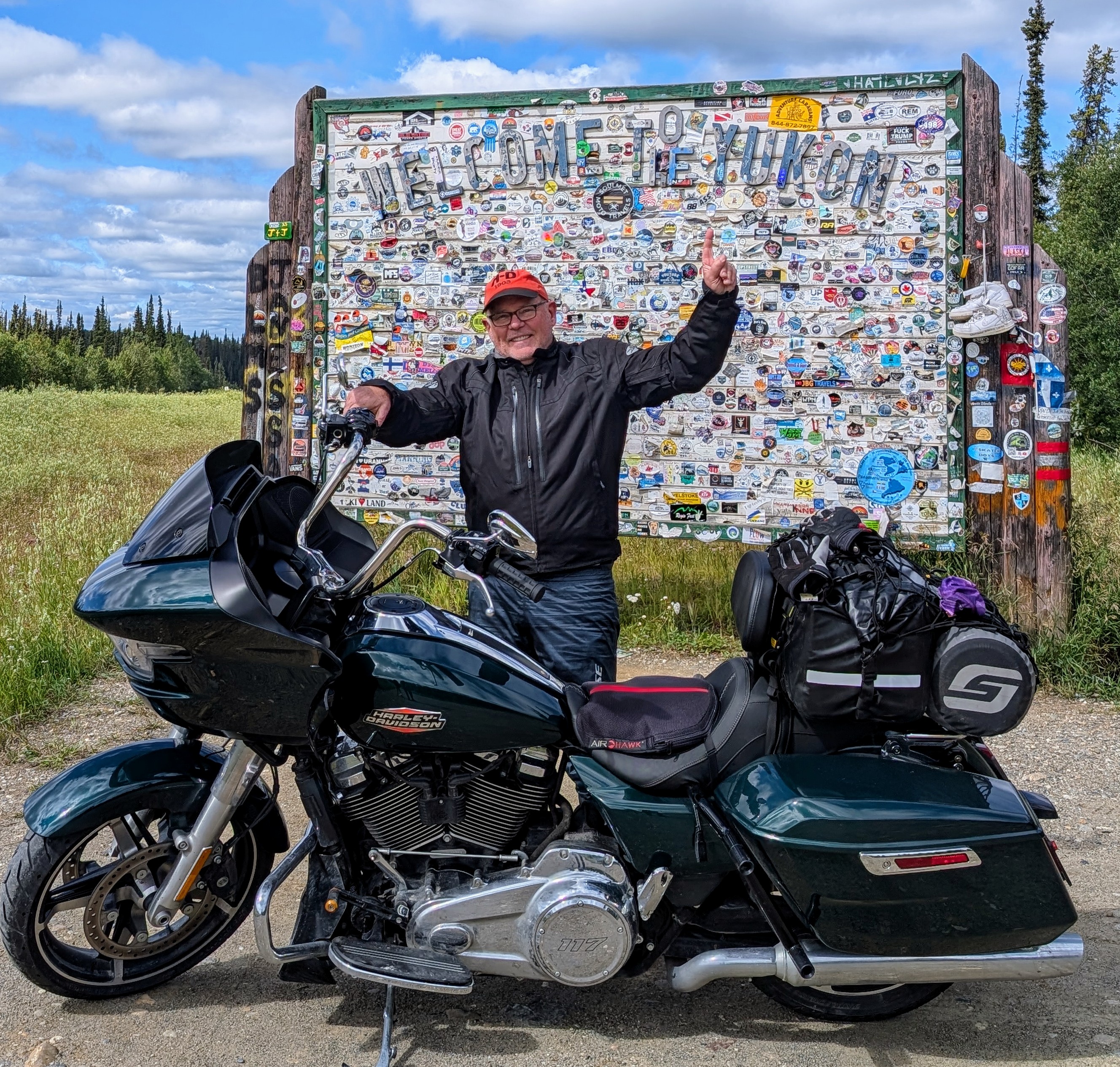
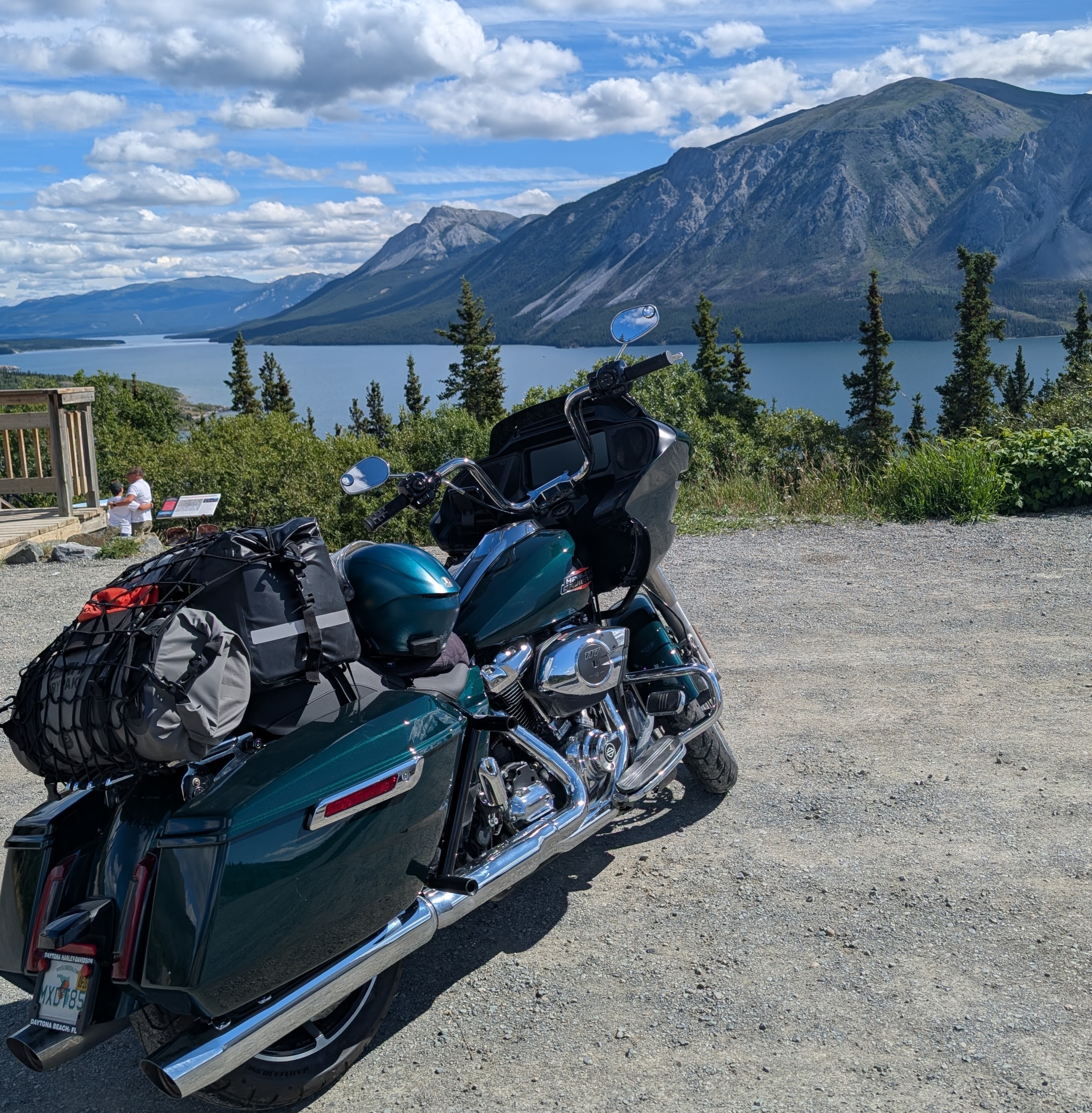
My horse is a 2024 HD Road Glide, and what a wonderful machine. I’d purchased it the Fall before when I smoked the transmission on my 2019 Road King on a trip to Newfoundland. I’d always felt the Road Glide was too much bike, but the fact is these new Harleys are lighter, have improved suspensions, and are high-tech with ride modes. The M8 117 is a smooth workhorse that is head and shoulders above my previous 107. Now with 16,000 miles on the odometer, all I’ve done is change fluids. One issue I had was with the digital gas gauge accuracy while up north, but “burping the tank” via the gas cap resolved it, and the issue has not reappeared here in the Florida climate.
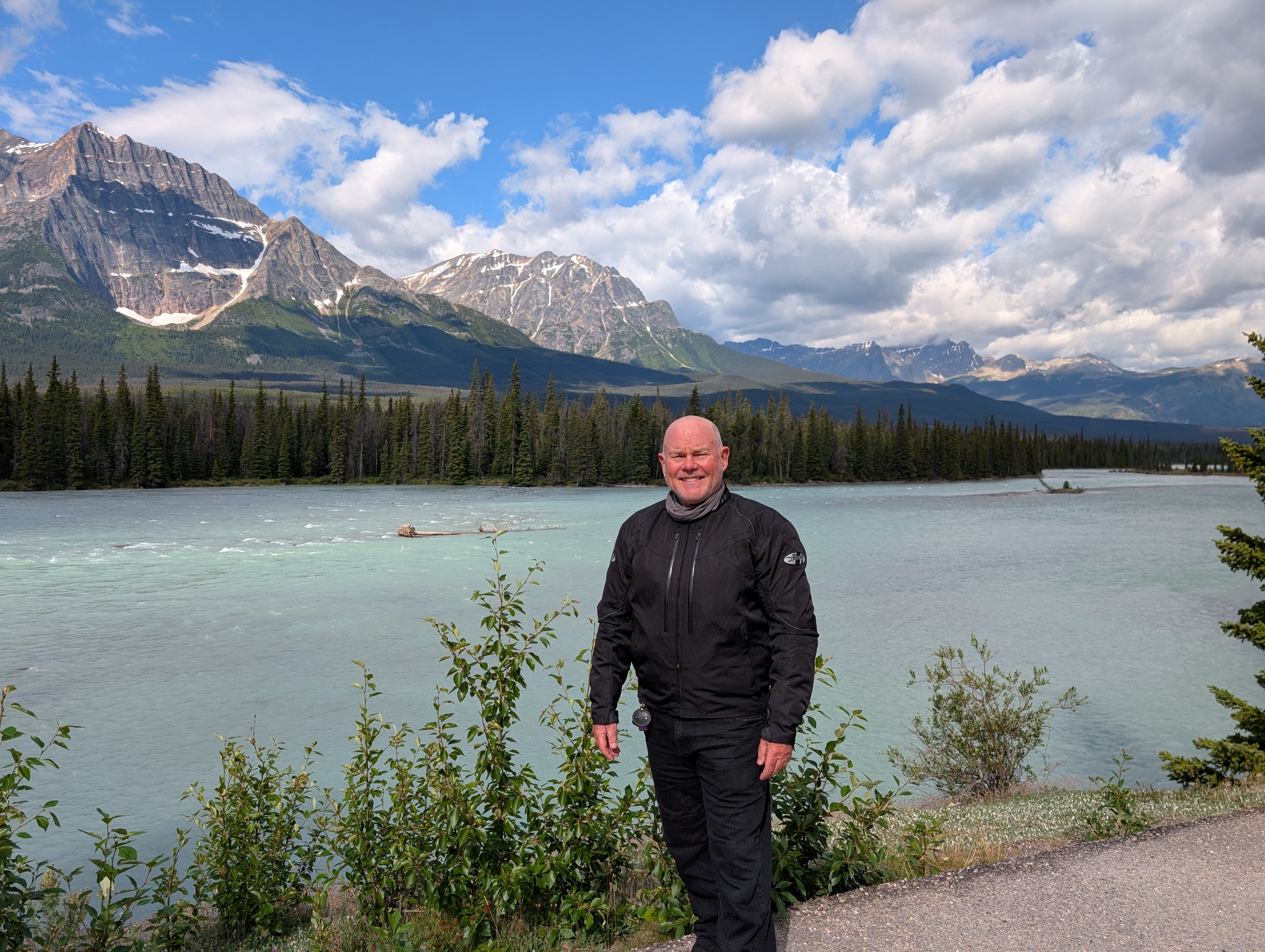
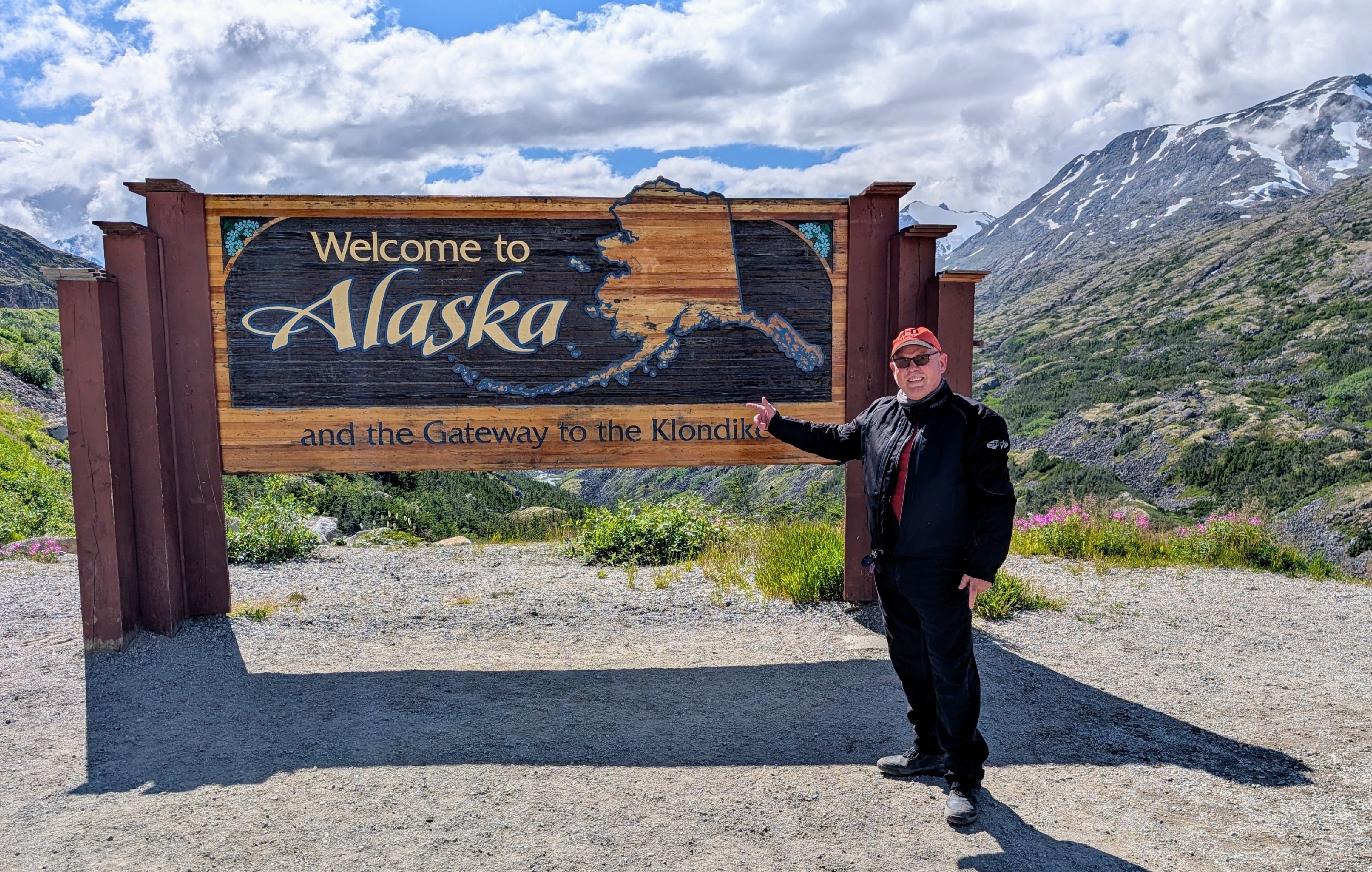
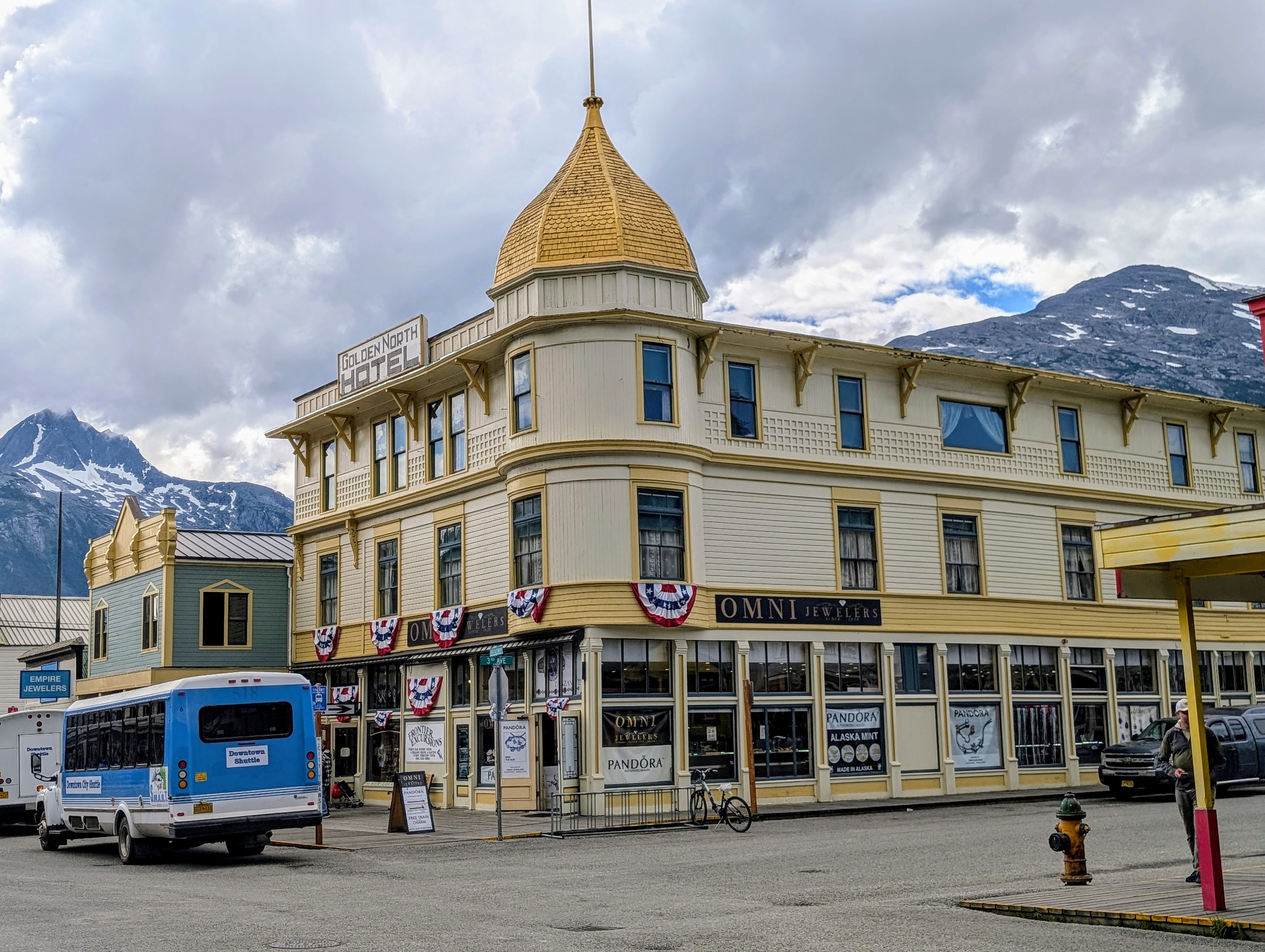
My route wasn’t direct (surely don’t need 66 days for a trip), however, as mentioned, I’m retired. From Florida, I went north to Michigan’s Upper Peninsula, then west to Montana through the Dakotas. Canadian wildfires in Manitoba and Saskatchewan were brutal that forced me to traverse west through the States. From Montana, it was north to Calgary, Alberta, then north again through the Glacier Hwy in Banff National Park (spectacular ride). After Banff, it was up to Dawson Creek, BC where I jumped on the Alcan (Alaska Canadian) HWY to Whitehorse in the Yukon Territory. From Whitehorse, west to Kluane and Haines Junction, where I spent several days exploring north and south in some of the finest landscapes on earth. Back down to Skagway, AK, where I loaded onto the Alaska Marine Hwy ferry for a 4-day trip south to Washington State. Washington to Las Vegas, then started to push home across Texas and the Gulf states back to Florida.
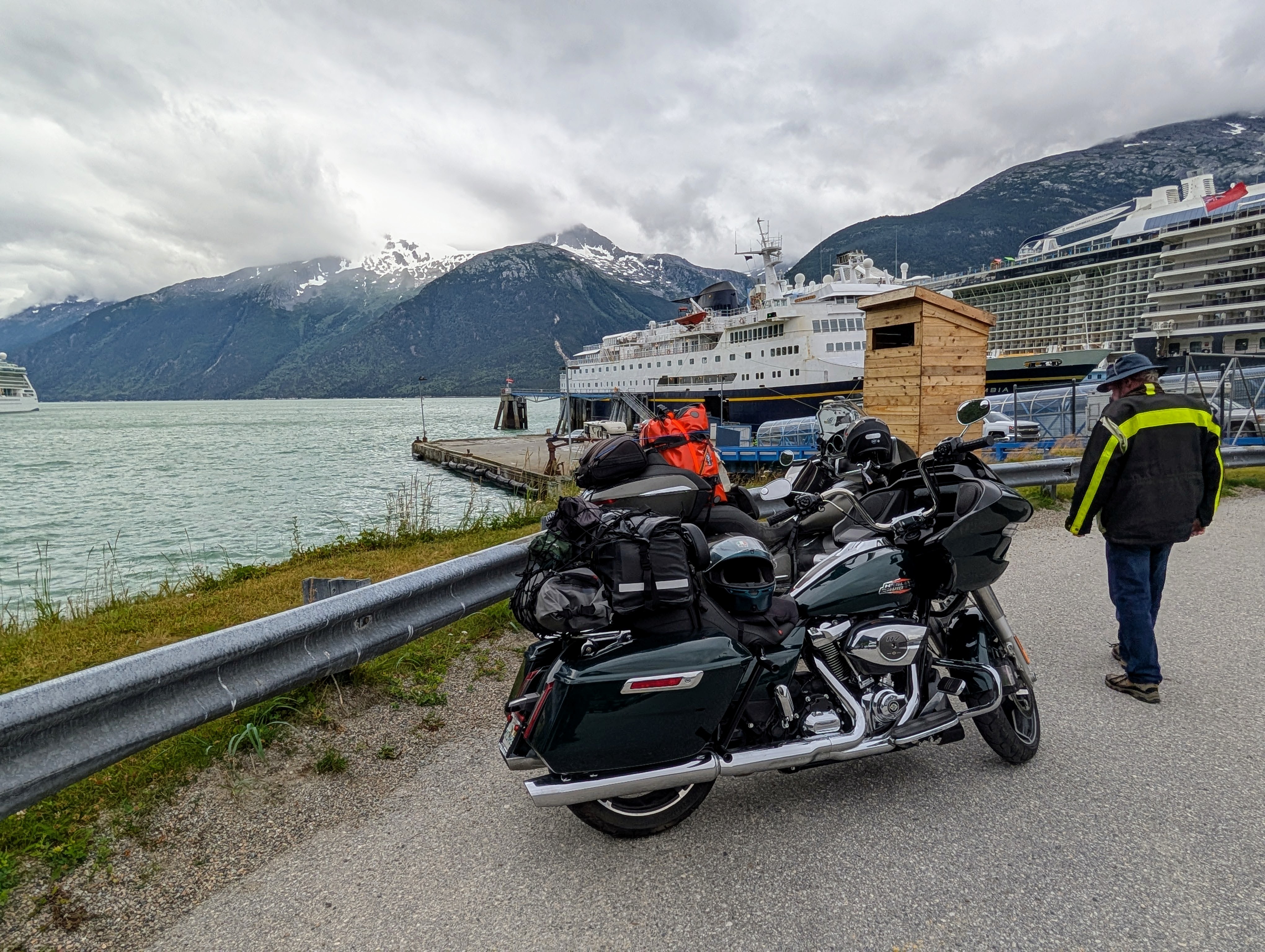
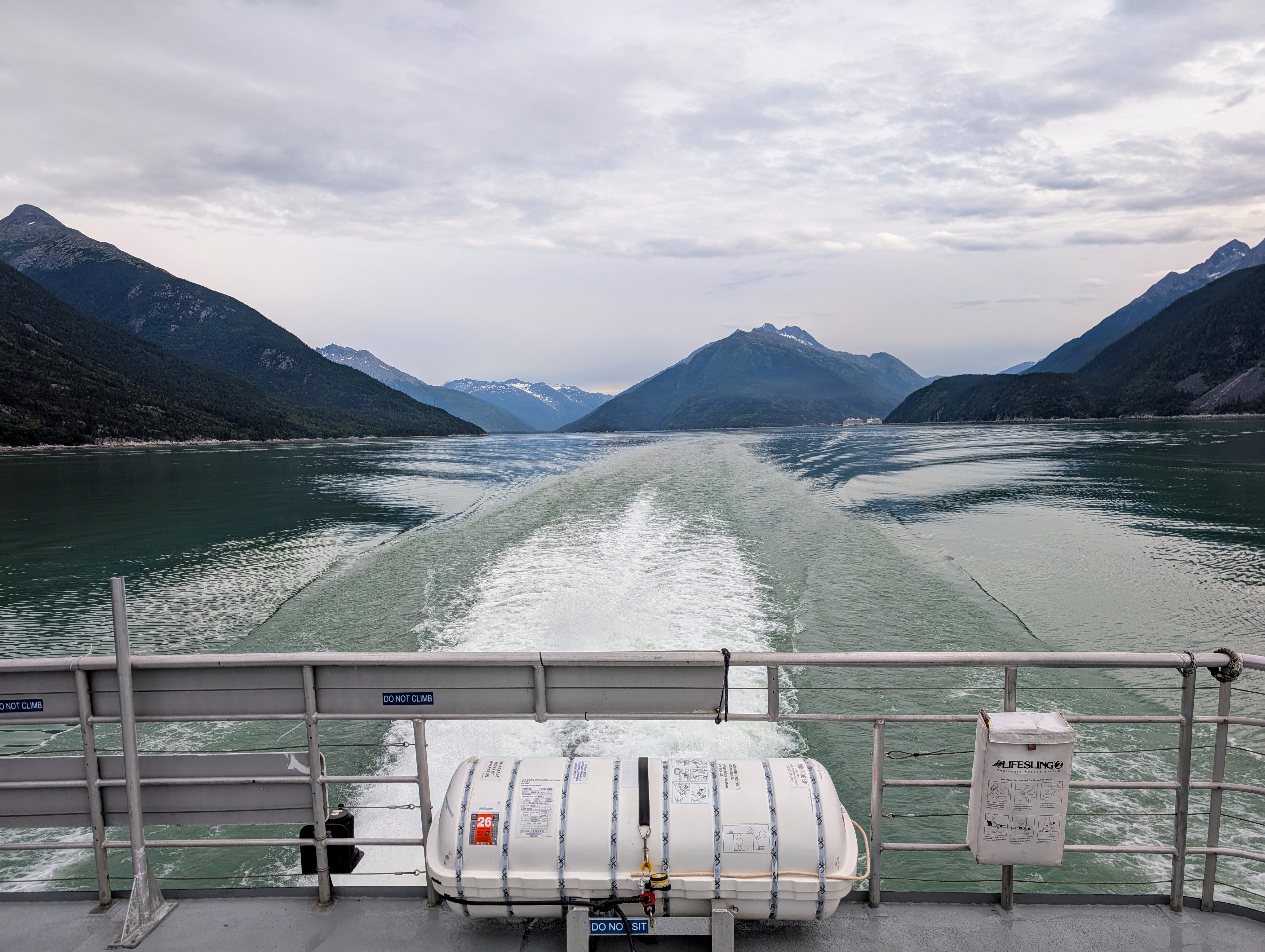
While I stayed in my share of hotels, I carried full camping gear, including a tent, stove, and sleeping gear, sleeping about 10% of the ride outside. There were also several “hybrid” situations where I’d stay at a gas station bunk houses, utilizing my own sleeping and cooking capacities as required. I also took advantage of the Alaska Marine Highway, loading the bike on the ferry in Skagway, AK, and sailed through the Inside Passage back down to Bellingham, WA.
Lessons Leaned
Weather – It’s cold in the northern country, even in August. It is common to start mornings off in 40-degree temps, so make sure your riding covers are warm. I truly lucked out and had just a few days of rain the entire trip (unheard of, according to YouTube), but rain is cold, and the ride becomes work after a few hours. So, again, plan on having appropriate jackets, boots, pants, and gloves. Your riding gear is not the place to save money; get the good stuff that works, vents well, keeps you warm, and dries out quickly. Don’t bother with leather, don’t try to save a buck on something you may be living in for weeks, is my advice. Also, get a full-face helmet. It certainly helps with the weather, but it is especially important for the bugs. Don’t want to wear a shield, bring an extra toothbrush.
Tires – You’re going to go through a set regardless of their condition before you start out. I started out with new rubber but had to put a rear on in British Columbia and a new front when I got back into the States. I couldn’t find a new front up there. Once you get north of the border, the competency and available stock are more geared to snowmobiles than Harley-Davidsons, so be prepared. The farther north you get, the rougher the roads become. We’re talking about pavement cuts, gravel, debris, and just some really rough concrete that is probably useful in the winter when it all ices over. I checked pressure with visual inspections every day, and you will too after a week riding the north country. Don’t take any bike problems up north, as it will be realized.
Animals – Once on the Alcan, things start to get remote, and you become one with the critters. You may ride for an hour and not see another car/truck, but likely to see moose, buffalo, elk, and deer. While this is one of the fantastic aspects of the Alaskan journey, it’s also one that needs to be respected. When I compare the beasts to what we see in the lower 48, they are certainly less afraid of vehicles and, due to their remoteness, more prominent. The lesson for me was never out-ride your line of vision and take your time.
Fuel – If you’re riding a Harley and you need the 91 Octane, bring it with you. I must have used about a dozen of those Amsoil Octane Boosts during the trip. Bring the Octane boosters, as you’re not going to find them for sale there. They sell 91 fuel at some locations on the route, but the reality is that much of the gas is found at local Mom & Pop stations with 87 Regular (so they say). I know some Harley riders will tell you they run “Regular” without issues, but believe me, if you’re running the HD M8 117, you want the 91. I know this as I had to run a few gallons of regular in an emergency, and it wasn’t something I’ll do again.
Bike- Truth is that the Harley Road Glide is not the best bike for a trip deep into Alaska, as it has limited suspension travel and is too heavy for the gravel. I got well north of Haines Junction towards Tok, and the frost heaves, gravel, and construction forced me to creep slowly most of the time and just wore me out. I soon lost interest in pushing ahead. Now I know why people buy Harley Pan Ams and Triumph Tigers. I saw several touring bikes coming back from the far reaches of the mainland, which were missing saddle bags, had cracked farings, etc., and not once did I hear a touring rider say, “no problems”. I know…. but do you really want to trash a new $33K bike?
Route- While Alberta’s Banff Glacier Highway is as scenic as any place on earth (I’ve been to 140 countries), it’s as crowded with tourists and rubber necks as Disney. The real fun starts after Jasper. You drop into the Alberta Oil Sand country and then up to Dawson Creek to meet the Alcan Hwy. That’s when the planning becomes important, i.e., where do I fuel, where do I eat, where do I sleep. Not saying it’s like driving the Gobi Desert with respect to remoteness, but if you’re on a motorcycle, it does mean it’s high season, and there will be competition for services along the route with more demand than supply. Get in the habit of taking breaks anywhere you see gas and fill up the tank, regardless of what’s left. Make sure you eat regularly (it’s cold and you’ll burn calories quickly). Don’t ride for 12 hours a day (seems like the sun never sets in the summer), and sure as hell don’t ride after dark. It’s nothing to do 50- 90 miles and see nothing but trees, so plan as you don’t want to run out of gas. Road quality was good to excellent up to Whitehorse, Yukon, so no issues there.
Characters – Truly met some outstanding people all along the route, especially in Canada. I was worried about all the “51st State” rhetoric affecting me (border crossing, hotels, restaurants), especially with the Florida tags, but it was all business and really no different at all compared to the previous summer I’d spent touring the Canadian Maritime Provinces. While folks along the route see nothing but travelers (all types, trust me) in the summer, they were noticeably genuine and helpful, which enriched my trip.
Biggest Surprise
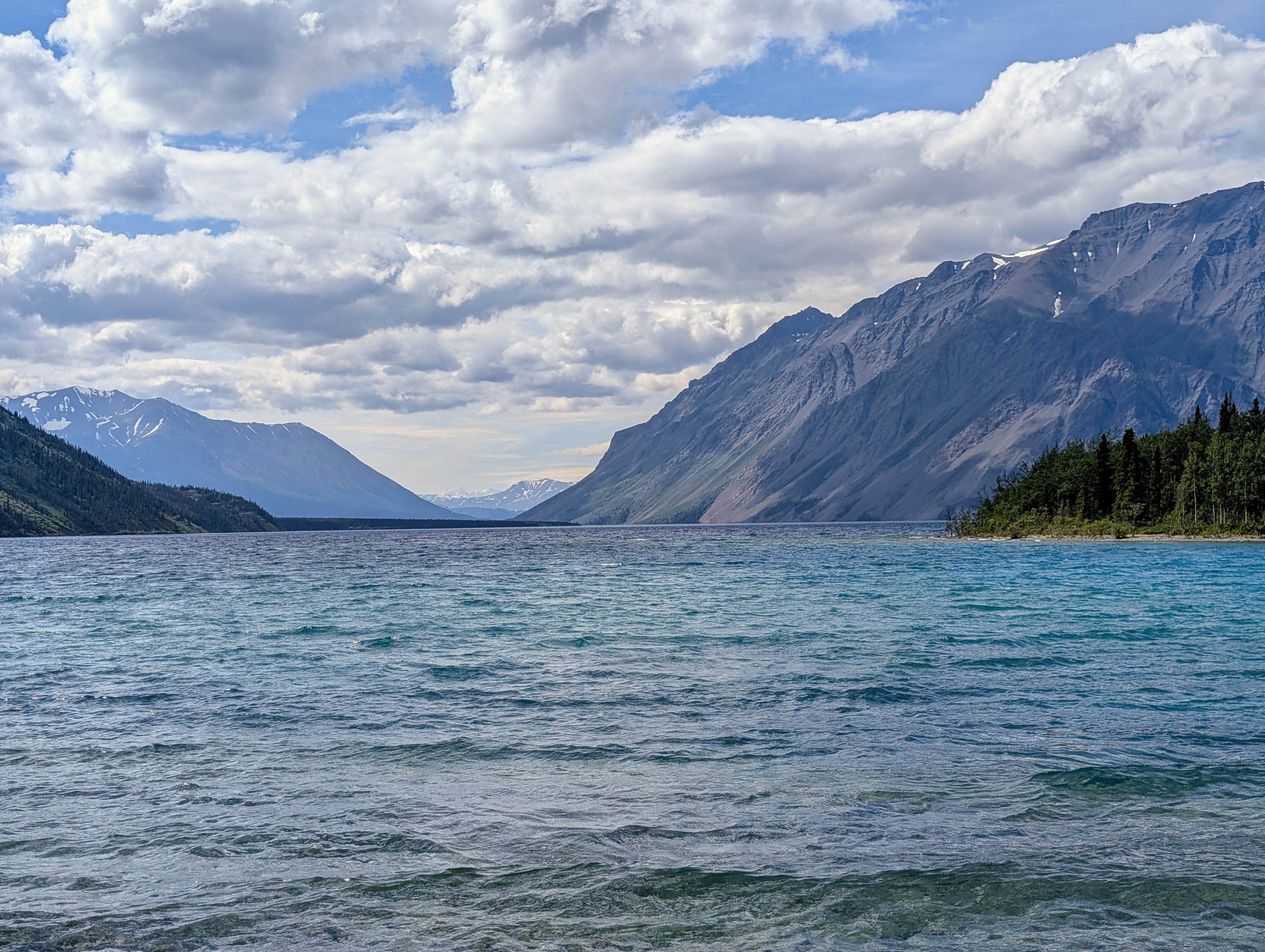
- Kluane National Park, west of Whitehorse, Yukon. Head to Haines Junction and then ride north and south to include Haines, then wheel down to Skagway. Maybe it was fantastic weather, excellent roads, clear views, or lack of traffic, but the area is special. Mountains, lakes, and waterfalls are all there and accessible. Camping was wonderful, and hats off to the great folks managing the Canadian National Parks and their professionalism. Sure, people talk about Denali, but the coastal range, fjords, and glaciers you see in Kluane holds its own.
Biggest Disappointment
- Alaskan Marine Highway (the ferry back to Washington from Skagway) was a letdown. The positive was the 4 fantastic days sailing through the Fjords, stops in several Panhandle towns, the Orcas and eagles (it’s all there), but it’s just not a good value. I spent $1900 for the 4-day trip, had a simple single cabin, transported my Harley, and ate very well at the ship’s restaurant. The downside was the ship’s age and condition; there were dogs constantly barking in the car holding bay, and people camping /sleeping for days throughout the public areas. Seemed a little trashy for my taste, and the dozens of constantly barking dogs heard through the ship’s ventilation system was the deal breaker. I was happy when it was over.
Summary
It’s a trip you need to make if you’re into the long haul on a bike. Planning makes it enjoyable and achievable, but don’t try to do too much is my advice. The weather will make or break the ride, so error to the side of minimal so you’re never disappointed. I regret not making it to Fairbanks and beyond, but the type of ride you have is important, and again, you want to have fun. I’ll certainly be back.
 What Next?
Leave a comment